
Senior-secondary study can involve deeper concepts, larger workloads and more independent preparation. A home tutor can support students by organising topics, clarifying difficult concepts, checking problem-solving steps and creating a realistic revision plan. The exact requirements depend on class, stream, subjects and board, so tuition should be tailored rather than based on a generic senior-secondary programme.
How can a home tutor support senior-secondary students?

A senior-secondary tutor can help separate learning into concept understanding, worked examples, independent practice and revision. In subjects with numerical problem solving, the tutor can focus on reasoning and method rather than only final answers. In theory-heavy subjects, the student can practise explaining concepts, making structured notes and answering questions in the required format. The tutor can also help identify which chapters require immediate attention based on school progress and upcoming assessments.
A practical tutoring session should leave the student with a clear next step. That may be a set of questions to practise, a concept to revise, a short writing task, an error to correct or a chapter section to review. This approach helps tuition remain connected to actual learning rather than becoming a routine appointment.
The tutor can also adjust the level of explanation. If a student is struggling, the tutor can return to prerequisite concepts and use simpler examples. If the student is progressing well, the tutor can move toward independent questions and more challenging applications. This flexibility is one of the main reasons families consider one-to-one home tuition.
How can senior-secondary students manage a demanding syllabus?
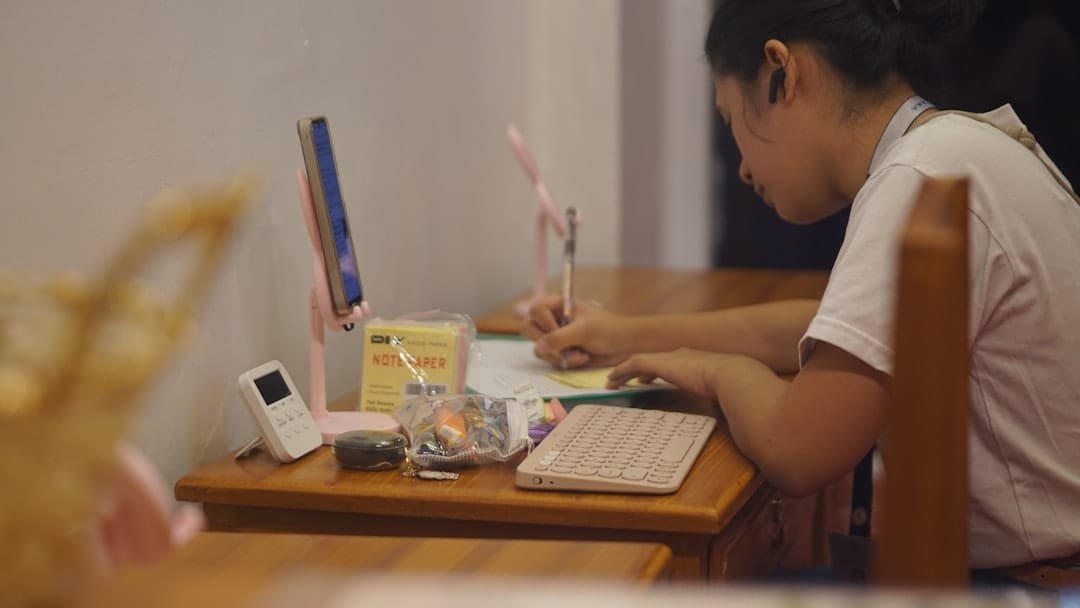
Students should maintain a rolling study plan rather than waiting until the examination period. Each week can contain new learning, revision of older topics, question practice and a short review of errors. Difficult chapters should be divided into smaller outcomes so that progress remains visible. The student also needs independent study time; tuition should support autonomy rather than make the student dependent on continuous prompting. Official curriculum and textbook resources should guide the scope of preparation.
Good planning also protects the student’s time. A home tutor should coordinate with school deadlines and avoid assigning excessive tuition homework. A short, targeted practice set followed by feedback can be more useful than a large worksheet that the student completes mechanically. Students should be encouraged to ask questions and explain their reasoning because those behaviours reveal whether learning is actually taking place.
Parents can support the process by providing a reasonably quiet study area, keeping necessary books available and sharing important school information with the tutor. If the student has an upcoming test, project or assessment, that information should be communicated early so the session plan can be adjusted without disrupting longer-term learning.
Home tuition works best when the student, parent and tutor have a shared understanding of the learning goal. Before starting, confirm the class, subjects, board, preferred days, session length and the specific areas where support is needed. In Chandigarh, Panchkula, Mohali and Zirakpur, families can also discuss practical scheduling and travel considerations before confirming a tutor.
Parents should avoid judging tuition only by promises about marks. Academic progress can be measured through clearer understanding, completed practice, fewer repeated errors, better organisation and the student’s ability to work independently. A tutor should explain what will be taught, how practice will be checked and when progress will be reviewed.
For additional guidance, see this related Home Tuition guide and this practical study resource. For syllabus or curriculum information, use the relevant official resources such as CBSE and NCERT where applicable.
Frequently asked questions
How often should a student have a home tutor?
The suitable frequency depends on the student’s class, subject difficulty, school workload and goal. Some students need regular weekly support, while others may need focused tuition around difficult topics or examinations.
Can home tuition support school homework?
Yes, but homework should not become the entire purpose of tuition. A useful session also builds understanding and independent problem-solving skills so the student can handle similar work later.
How can parents track progress?
Ask for a simple record of topics covered, practice completed, recurring mistakes and the next learning target. This makes progress easier to discuss without relying only on test marks.
Is home tuition available in Chandigarh, Panchkula, Mohali and Zirakpur?
Expert Home Tuition provides home-tuition enquiries across these service areas. Availability should be confirmed for the required class, subject, locality and schedule.
How can I enquire?
Parents or students can contact Expert Home Tuition at 7307306981 and discuss the class, subject, location and preferred schedule.
Practical senior-secondary routine: Break large subjects into weekly outcomes instead of trying to complete entire chapters at once. Each outcome should be specific enough to check, such as understanding a concept, completing a defined numerical set, preparing structured notes or answering a group of questions independently. Keep a running list of difficult topics and review it each week. This helps the tutor focus time where it is most useful.
Senior-secondary students also need increasing independence. The tutor can demonstrate a method, work through one example and then ask the student to continue alone. In theory subjects, ask the student to explain concepts without notes. In numerical subjects, inspect the reasoning and intermediate steps. In both cases, the student should gradually need fewer prompts. This is important because examinations require independent performance.
Use current school, board and textbook requirements when planning. Avoid building a study plan around outdated syllabus information. A balanced week should include new learning, older-topic revision, practice questions and time for independent study. Parents can support consistency by helping the student protect study periods without micromanaging every task.
Next step: If you are looking for a home tutor, contact Expert Home Tuition on 7307306981 with the student’s class, subject, locality and preferred timing. A clear enquiry helps identify the most relevant tuition requirement.
