
English improvement usually comes from regular reading, writing, grammar practice and feedback rather than from memorising isolated rules. Expert Home Tuition can give students structured practice and individual feedback according to their class level and school requirements.
The tutor can identify whether the main need is grammar, vocabulary, comprehension, creative writing, formal writing, literature or examination technique. A focused plan helps the student practise the areas that matter most.
Build English Skills Through Regular Practice
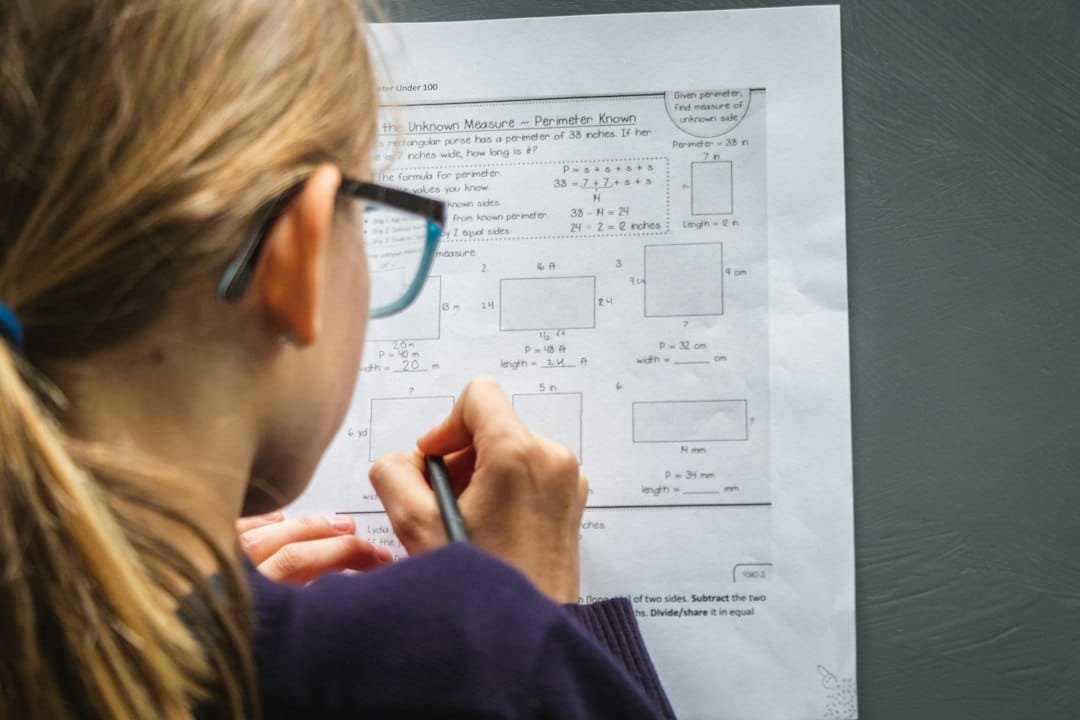


Grammar becomes easier when rules are followed by examples and short exercises. Instead of studying many rules at once, students can work on common errors such as tense consistency, subject-verb agreement, articles, punctuation or sentence structure, depending on their level.
Writing needs a similar cycle: understand the format, plan the response, write, receive feedback and rewrite. This approach can help students learn from their own mistakes rather than simply collecting model answers.
For more ideas, see the related English home tutor guide.
For official school learning resources, see CBSE Academic and NCERT.
Improve Reading and Examination Responses

Reading practice can include short passages followed by questions that require evidence from the text. Students should learn to identify the main idea, supporting details, tone and meaning from context. For literature, discussion and written responses can help connect themes with evidence.
For examinations, students can practise answering within time limits and review whether their responses directly address the question. A tutor can help identify recurring writing issues and set small weekly targets.
It is useful to look at English as a process rather than a single tutoring session. grammar, reading comprehension, vocabulary, writing, literature responses and examination communication all contribute to whether additional academic support is actually useful. A student may attend a lesson and understand an explanation, but lasting improvement usually requires the idea to be revisited, practised and applied without immediate help. Expert Home Tuition can provide that structure when each session connects to the learner’s current schoolwork and when the student remains actively involved in the learning.
The first practical step is to identify the starting point. Parents and students can bring recent classwork, homework, test papers or a list of difficult chapters to the discussion. The tutor can use this material to distinguish between topics that are genuinely difficult and topics that simply need a little more practice. This is important because more tuition time is not automatically the answer. The useful question is what kind of support is required and which learning activity is most likely to address it.
A clear weekly objective can make tuition easier to follow. Instead of setting a vague goal such as “finish more work,” the student can have a specific target connected with grammar, reading comprehension, vocabulary, writing, literature responses and examination communication. The target might involve understanding one concept, completing a group of questions, improving a particular skill or reviewing mistakes from a school assessment. Smaller objectives are easier to discuss at the next session and can be changed when school priorities change.
During the lesson, explanation should lead to active work. The tutor can introduce the idea, demonstrate an example and then ask the student to attempt a related task. If the student is unable to continue, the tutor can identify the exact step causing difficulty rather than immediately giving the complete answer. This approach produces better information about the learner’s thinking and gives the student practice in recovering from mistakes.
Practice should be selected carefully. A large worksheet can create the appearance of progress without necessarily improving understanding. More useful practice often moves from a straightforward example to a slightly different question and then to a mixed or unfamiliar problem. In the context of English, this can include sentence correction, comprehension passages, paragraph writing, essays, summaries, formal writing and literature questions. The exact difficulty should match the student’s class and current syllabus rather than being chosen simply because the questions look advanced.
Mistake analysis is another important part of personalised tuition. When an answer is wrong, the student can be asked what they were trying to do and where they became uncertain. The mistake may come from missing knowledge, incorrect interpretation, weak recall, careless working or poor presentation. Recording recurring patterns helps the tutor decide what to teach next and prevents the student from repeatedly practising the same incorrect method.
Independent work should be protected between tuition sessions. A student needs time to attempt questions without immediate guidance, because that is where real understanding becomes visible. Parents can encourage a manageable amount of independent practice rather than trying to supervise every question. The tutor can review selected work later and use it to plan the next lesson. This creates a useful cycle of teaching, independent application, feedback and adjustment.
Revision should not be postponed until an examination is close. Short reviews can bring earlier learning back into focus while new chapters are being covered. Students can explain a concept from memory, answer a few questions, revisit an earlier mistake or compare two related ideas. Spaced review is particularly useful when the syllabus contains many connected topics and when students have to remember material across several months.
Time management matters because students have more than one responsibility. School, homework, tuition, independent study, activities, family commitments and sleep all need room in the weekly routine. A sustainable schedule is more useful than a very demanding plan that works for only a few days. Expert Home Tuition should therefore fit into the student’s wider routine and can be adjusted when examination periods or school workload temporarily increase.
Parents can support the process through short, practical communication. They can tell the tutor about upcoming assessments, unusually heavy homework, changes in school priorities or areas where the student is showing repeated difficulty. At the same time, the student should have a voice in the process. Asking what felt difficult and what now feels easier can reveal information that is not visible from marks alone.
Progress can be reviewed with several indicators. Topic completion, accuracy in practice, quality of written answers, ability to explain concepts, homework consistency and confidence in attempting unfamiliar work can all provide useful evidence. Examination marks remain relevant, but one assessment should not be treated as the only measure of progress. Looking at several indicators helps parents and tutors make more balanced decisions about the next learning priority.
Official school and curriculum resources should remain important reference points. Students should follow their school’s current syllabus and the relevant board requirements. Where applicable, CBSE and NCERT resources can provide reliable curriculum information. Tuition can then add value through explanation, guided practice, feedback and personalised revision. This keeps the source of curriculum requirements clear and prevents additional material from becoming disconnected from what the student actually needs to learn.
The home learning environment also affects the usefulness of a lesson. Having the relevant books, notebooks, stationery and school material ready can reduce wasted time. A reasonably quiet study area can help the student concentrate. The goal is not to create a perfect classroom at home. It is simply to make the learning period predictable and organised so that the student can spend more of the available time thinking and practising.
As the learner improves, the tutor can gradually reduce support. Early lessons may involve detailed explanations and frequent prompts. Later, the student can be expected to choose a method, complete a larger part of the task independently and check the result. This gradual transfer of responsibility is especially important because the long-term purpose of tuition is to build academic capability rather than permanent dependence on a tutor.
For families in Chandigarh, Panchkula, Mohali and Zirakpur, practical scheduling can be discussed alongside the academic requirement. Location may affect timing and convenience, but the learning plan should remain centred on the student’s class, subjects and current goals. Parents can provide accurate information during an enquiry so that the proposed arrangement reflects the actual situation instead of assuming that every learner needs the same number or type of sessions.
A useful review every few weeks can ask three questions: what has improved, what still causes difficulty and what should happen next? The answers can lead to a change in teaching emphasis. A student who has mastered a foundation topic may move to application and mixed practice. A student who still has a basic gap may need additional explanation before moving forward. This keeps Expert Home Tuition responsive to evidence rather than fixed to an unchanging plan.
The strongest outcome is not simply more completed pages. It is a student who understands the material more clearly, can recognise mistakes, can use an appropriate method and can work independently for longer periods. Whether the immediate goal is English, examination preparation or a more organised study routine, Expert Home Tuition can be most useful when it combines personalised guidance with active student participation and regular review.
Reading should be regular enough to expose students to different sentence structures and vocabulary. The material should be appropriate for the learner’s level and interests. After reading, students can briefly explain the main idea, identify an important detail and discuss unfamiliar words from context. This builds comprehension without turning every reading activity into a formal test.
Writing practice should include editing. Students can compare an early draft with a revised version and identify what changed. Grammar correction becomes more meaningful when the learner can see how an error affected clarity. A tutor can focus on a small number of recurring issues instead of correcting every possible problem at once.
For formal and examination writing, structure matters. Students can learn to identify the purpose of the task, plan the main points, use paragraphs logically and check whether the final response answers the prompt. Timed practice can be added gradually once the student is comfortable with the basic writing process.
Vocabulary grows more effectively when words are used. Students can record a new word, its meaning, an example sentence and related words. Revisiting those words in later writing or discussion makes them more memorable than memorising a long list once.
Literature responses can also benefit from evidence-based discussion. Instead of giving a broad opinion about a character or theme, students can learn to connect their interpretation with relevant details from the text. This strengthens both comprehension and written expression.
With regular reading, purposeful grammar practice, structured writing and feedback, Expert Home Tuition can help English learners build skills that are useful across schoolwork. Parents can contact 7307306981 or visit ExpertHomeTuition.com to discuss home tuition in Chandigarh, Panchkula, Mohali and Zirakpur.
Students can also use short speaking activities to improve fluency and confidence. Explaining a story, summarising a paragraph or describing the meaning of a new word can reveal gaps that may not appear in written exercises. These activities can be brief and can be adapted to the learner’s age and school requirements.
Regular feedback is most useful when it gives the student something specific to improve. Instead of simply saying that a paragraph is weak, the tutor can identify whether the problem is organisation, evidence, grammar, vocabulary or failure to address the prompt. The student can then rewrite the work and compare the result.
Expert Home Tuition can combine these skills into a practical English routine that supports both everyday schoolwork and examination preparation. Parents can contact 7307306981 or visit ExpertHomeTuition.com.
Parents can also encourage students to keep a small vocabulary and writing-error record. Reviewing a few recurring issues each week can make practice more focused than trying to correct everything at once.
Expert Home Tuition offers home tuition support in Chandigarh, Panchkula, Mohali and Zirakpur. Parents can contact 7307306981 or visit ExpertHomeTuition.com.
Expert Home Tuition offers home tuition support in Chandigarh, Panchkula, Mohali and Zirakpur. Parents can contact 7307306981 or visit ExpertHomeTuition.com.
