
Home tuition and online tuition can both provide additional academic support, but the learning experience is different. The right choice depends on the student’s age, subject, independence, technology access, schedule and learning preferences.


Quick answer
Home tuition may suit students who benefit from face-to-face interaction and a dedicated study environment at home. Online tuition may suit students who are comfortable using digital tools and need greater flexibility in where lessons take place. Neither format is automatically better for every student.
Home tuition: what it involves
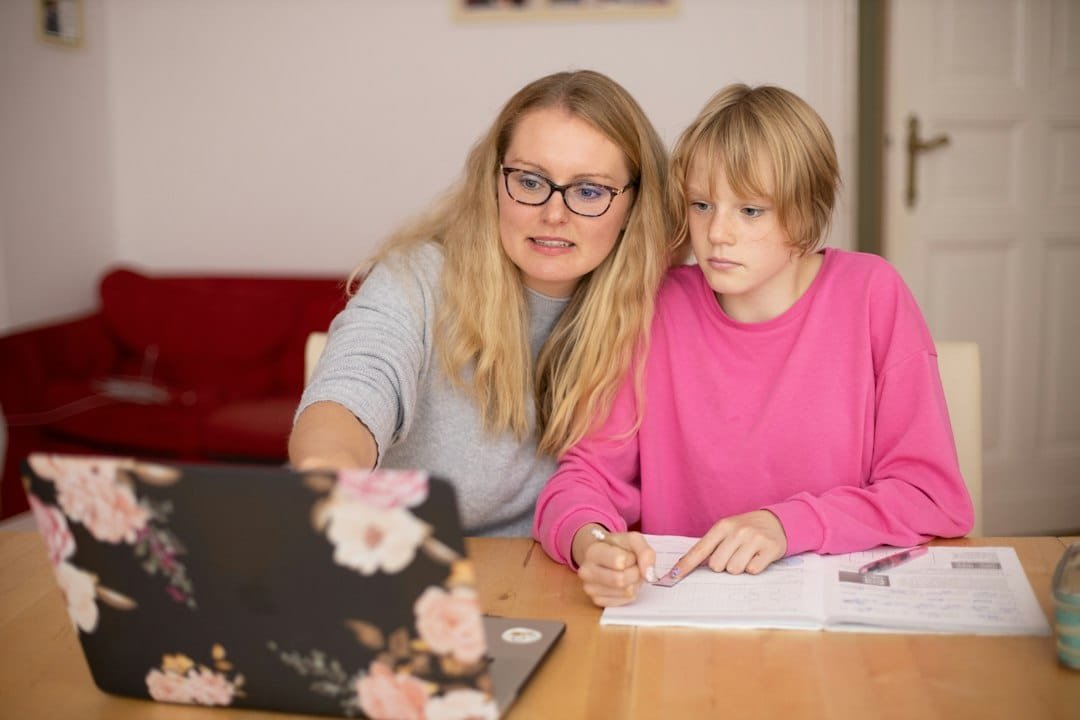
In home tuition, a tutor teaches the student in the student’s home. The face-to-face setting can make it easier to observe written work, identify confusion and maintain direct interaction during a lesson.
It can also reduce the need for the student to travel to a coaching centre or tutor’s location.
Online tuition: what it involves
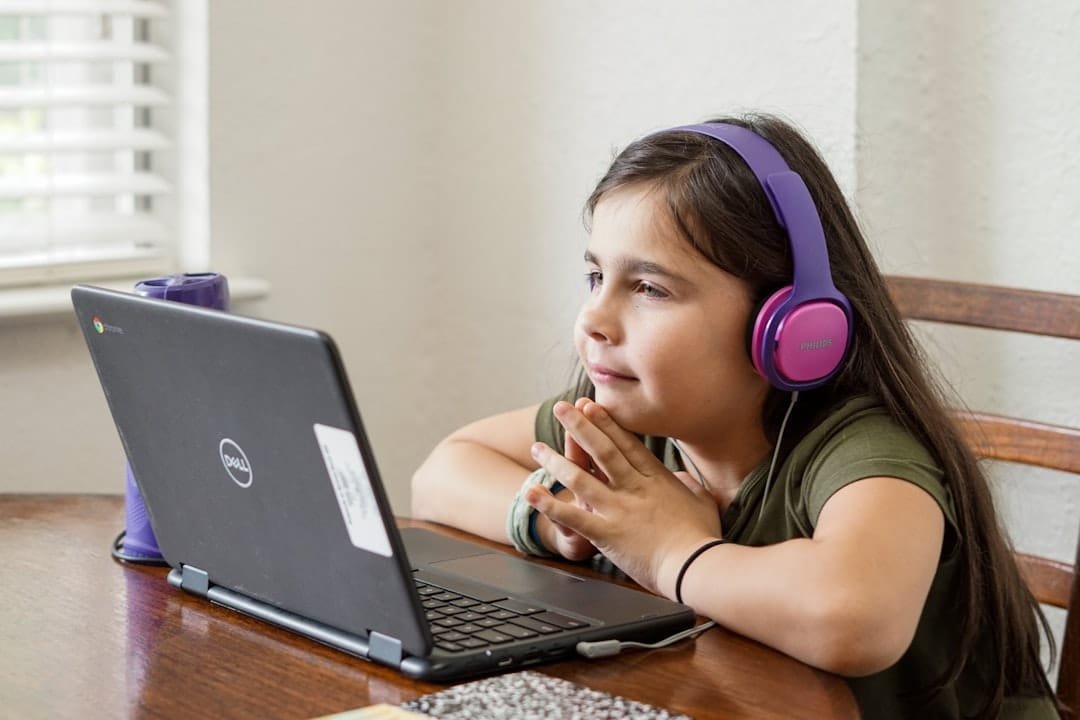
Online tuition uses a computer, tablet or other supported device and an internet connection. Lessons can include video communication, digital notes, screen sharing, online assignments and other tools.
This format can be convenient when travel is difficult or when the student and tutor are not in the same locality.
Key differences to consider
| Factor | Home tuition | Online tuition |
|---|---|---|
| Interaction | Face-to-face | Digital/video interaction |
| Travel | Usually no student travel | No travel for either side when conducted remotely |
| Technology | Lower dependence on devices during the lesson | Requires suitable device and reliable internet |
| Study environment | Can be arranged in the student’s home | Requires a suitable digital study space |
| Flexibility | Depends on tutor availability and travel | Can be convenient for remote schedules |
| Supervision | Direct physical presence | Parent may need to help with the setup and digital environment |
Which format may suit a younger student?
Younger students may need more direct supervision, frequent interaction and help staying focused. Some children therefore find face-to-face home tuition easier. However, individual students differ, so parents should observe how the child responds to the format rather than relying only on age.
Which format may suit a student preparing for exams?
For examination preparation, the important question is not simply whether lessons are online or at home. Check whether the tutor can work through the relevant syllabus, explain concepts, practise questions, review mistakes and build a realistic revision plan.
For CBSE students, the official 2026–27 curriculum and subject documents should be used as the reference point for current requirements. See CBSE’s 2026–27 curriculum.
Questions parents should ask before choosing a format
- Does my child concentrate better face-to-face or online?
- Does the student need hands-on help with written work?
- Is the internet connection reliable?
- Does the student have a suitable device and quiet study space?
- How many classes per week are realistic?
- How will homework and progress be reviewed?
- What happens if a lesson is missed?
Do not choose based only on price
Cost matters, but parents should also consider lesson duration, frequency, subject difficulty, tutor experience relevant to the student’s need and the overall learning arrangement. A cheaper option may not be useful if the format does not suit the child, while a more expensive option is not automatically more effective.
Home tuition in the Tricity area
Expert Home Tuition currently presents home tuition services for Chandigarh, Panchkula, Mohali and Zirakpur. The existing home tuition service page provides the business’s local service information.
Parents can also review the subjects offered and use the contact page to discuss their requirement.
Frequently asked questions
Is home tuition better than online tuition?
There is no universal answer. The better fit depends on the student’s learning style, age, subject, schedule, technology access and ability to stay engaged during lessons.
Can online tuition work for school subjects?
Yes. Online lessons can support school subjects when the student has suitable technology, a reliable connection and an effective lesson structure.
What should parents decide before the first class?
Clarify the subject, class, syllabus, learning goal, schedule, lesson duration, fees and how homework and progress will be handled.
Next step: Compare the two formats against your child’s actual needs, then choose the arrangement that can be followed consistently.
