
Mathematics builds from one concept to the next. When a student misses an important foundation, later chapters can become harder. One-to-one tuition can give the student time to identify the gap, ask questions and practise at an appropriate pace.


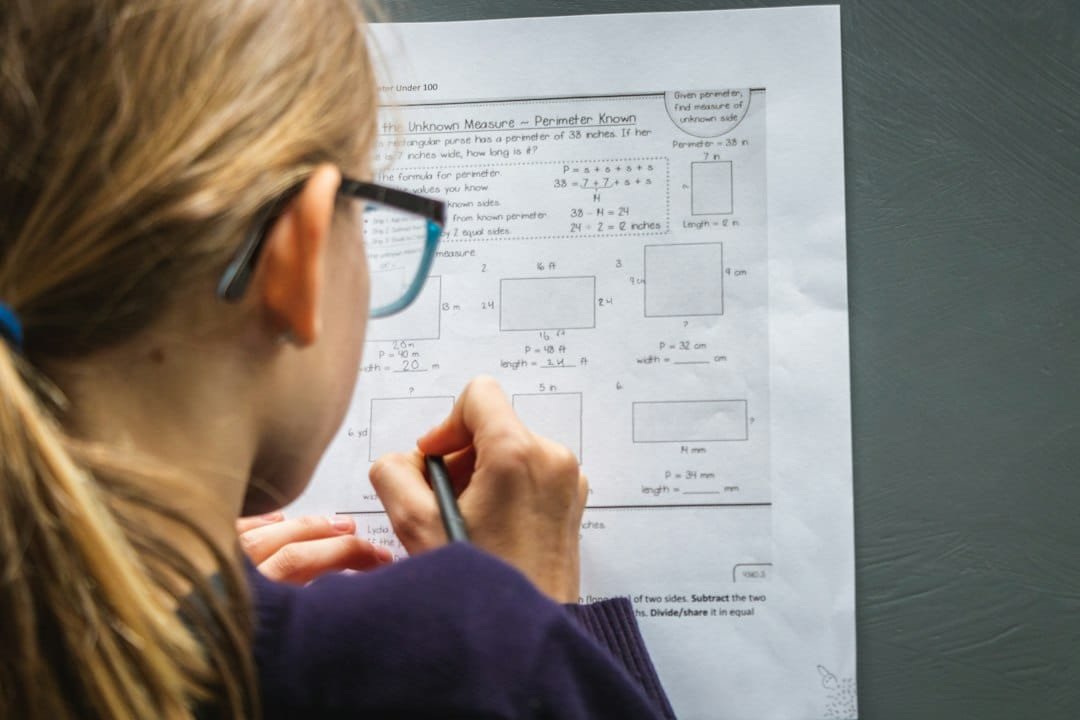
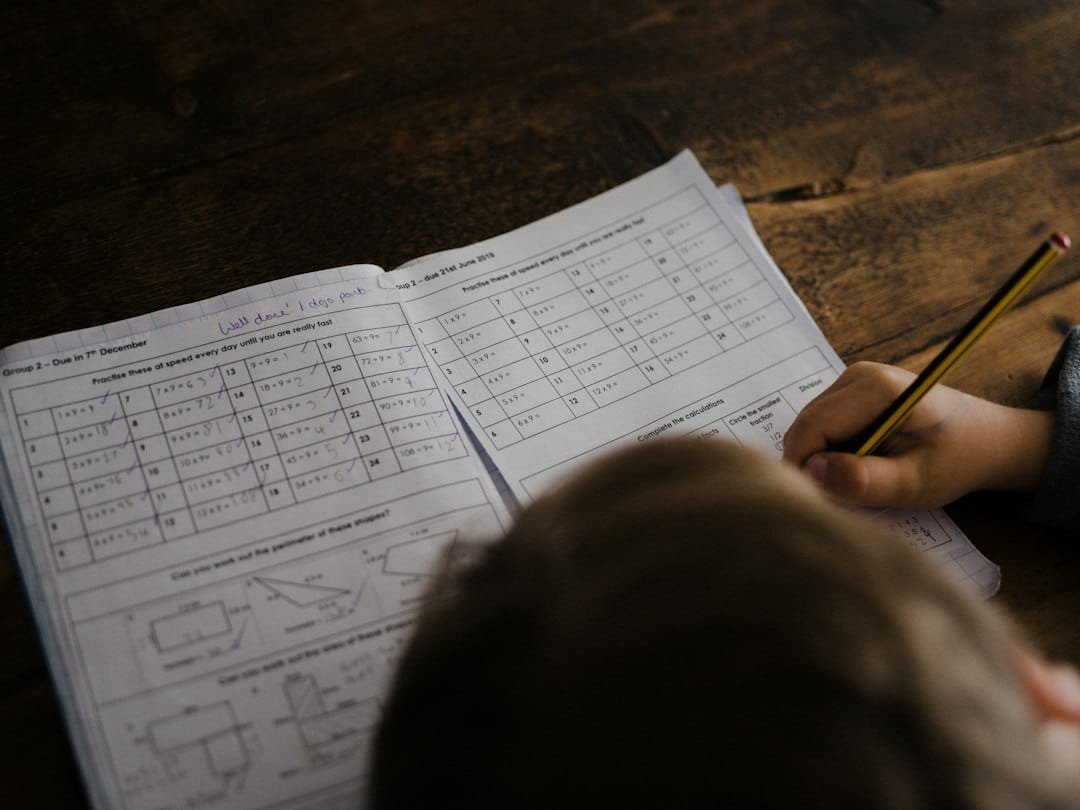
This guide explains what parents should look for when considering Maths home tuition. It does not promise a particular mark improvement because progress depends on the individual student and the consistency of learning and practice.
Why students may struggle with Maths
Common difficulties include weak foundational concepts, confusion about mathematical steps, limited practice, calculation errors, difficulty understanding word problems and anxiety when facing unfamiliar questions.
The same test score can have different causes. A useful tuition plan should therefore identify the actual problem before deciding what to practise.
Concept clarity comes before speed
Students sometimes try to memorise a procedure without understanding why it works. This can create problems when the question changes slightly.
A tutor can first establish the concept, demonstrate an example, ask the student to explain the method and then move toward independent practice.
Use tuition to identify repeated mistakes
A mistake is useful information if it is reviewed properly. For example, a student may repeatedly lose marks because of sign errors, skipped steps, incorrect units or misunderstanding the wording of a problem.
Keeping a short mistake log can help the student see patterns and avoid repeating the same error.
Break difficult chapters into smaller skills
Instead of treating a whole chapter as one task, divide it into smaller skills. For example, a topic may require understanding a definition, learning a formula, interpreting a diagram, solving basic questions and then attempting mixed problems.
This makes it easier to identify exactly where the student needs support.
Practice should move from guided to independent
- The tutor explains the concept.
- The tutor solves an example and explains the reasoning.
- The student solves a similar example with guidance.
- The student attempts questions independently.
- Mistakes are reviewed and corrected.
- The topic returns during later revision.
Match Maths tuition to the current syllabus
Parents should check the current curriculum rather than relying on old chapter lists. CBSE publishes the 2026–27 curriculum through its official Academic portal. View the CBSE 2026–27 curriculum.
Where NCERT textbooks are part of the student’s course, parents and students can use the official NCERT textbook portal as a reference. View NCERT textbooks.
What parents should ask a Maths tutor
- Which class levels and Maths topics do you teach?
- How will you identify the student’s weak concepts?
- How will homework and practice be handled?
- How will repeated mistakes be tracked?
- How will revision be planned before tests?
- How will the parent receive useful progress updates?
Maths home tuition at Expert Home Tuition
Expert Home Tuition’s published subjects page includes Maths home tuition and describes an individually tailored approach intended to complement the student’s syllabus or curriculum.
You can review the Subjects Offered page and contact the business through the Contact Us page. The site’s published home tuition service information covers Chandigarh, Panchkula, Mohali and Zirakpur.
How to judge progress
Progress should be assessed over time. Useful indicators include whether the student can explain concepts more clearly, solve a wider range of questions independently, make fewer repeated errors and complete school work with less confusion.
Marks can provide useful evidence, but one test should not be treated as the complete measure of learning.
Frequently asked questions
Is Maths home tuition useful for students who are already doing well?
It can be useful when a student wants structured practice, deeper understanding, help with difficult topics or examination preparation. The need depends on the student’s goals.
Should a tutor focus only on homework?
Homework can be part of tuition, but effective support may also include concept explanation, doubt clearing, practice, error review and revision.
How quickly should a student improve?
There is no fixed timeline. Improvement depends on the student’s starting level, attendance, practice, subject difficulty and consistency.
Next step: Before arranging Maths tuition, note the student’s class, syllabus, difficult chapters and preferred schedule. This gives the tutor a clearer starting point.
