
Science tuition is most useful when it helps a student understand relationships between concepts instead of memorising isolated lines. A home tutor can use diagrams, examples, questions and short explanations to show how a principle works. The exact teaching method should depend on the branch of science and the student’s class. For example, a student may need different support for numerical physics problems, chemical equations, biological processes or scientific terminology.
How can a home tutor make Science easier to understand?

Start each topic by asking what the student already knows. Then introduce the central idea, connect it to a familiar example, and ask the student to explain it back in their own words. Diagrams and flowcharts can help with processes, while worked numerical examples can help with application-based learning. The tutor should also distinguish between facts that need accurate recall and concepts that need explanation. This prevents every topic from becoming a memorisation exercise.
A practical tutoring session should leave the student with a clear next step. That may be a set of questions to practise, a concept to revise, a short writing task, an error to correct or a chapter section to review. This approach helps tuition remain connected to actual learning rather than becoming a routine appointment.
The tutor can also adjust the level of explanation. If a student is struggling, the tutor can return to prerequisite concepts and use simpler examples. If the student is progressing well, the tutor can move toward independent questions and more challenging applications. This flexibility is one of the main reasons families consider one-to-one home tuition.
How should Science students prepare for tests and exams?
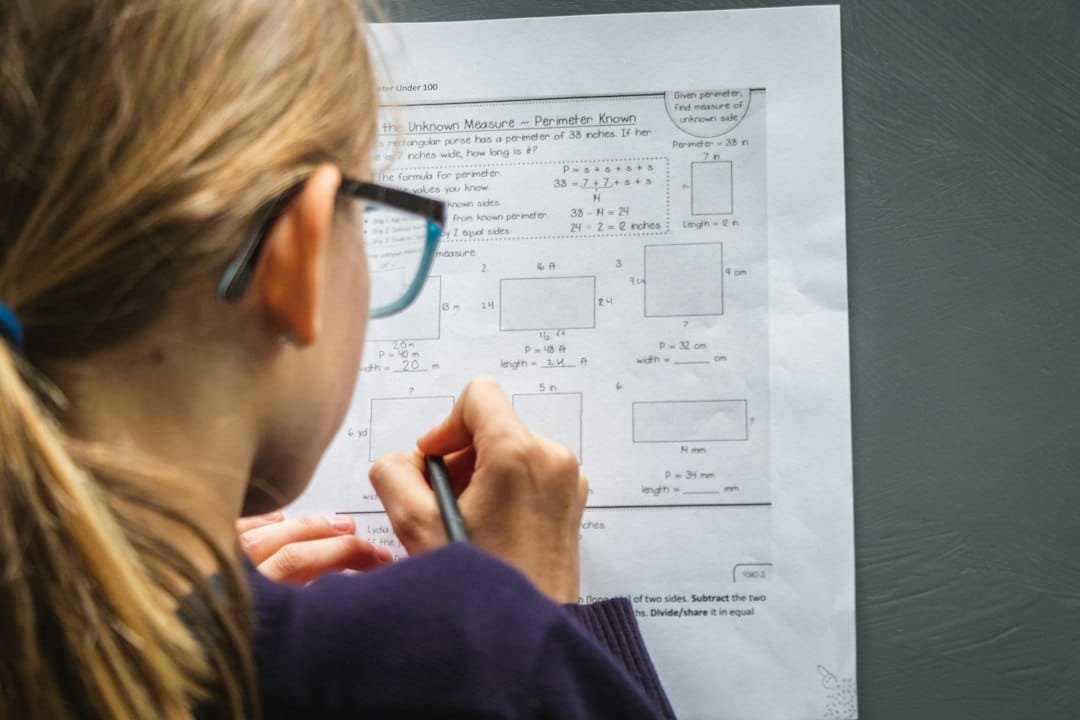
A useful cycle is learn, explain, practise, review. After learning a chapter, the student should answer questions without looking at notes, correct errors, and return to weak areas after a gap. For diagram-heavy topics, students should practise drawing and labelling where required. For numerical topics, they should write the formula, substitute values carefully and check units or reasoning. Official curriculum and textbook resources should remain the reference point when deciding what material is relevant.
Good planning also protects the student’s time. A home tutor should coordinate with school deadlines and avoid assigning excessive tuition homework. A short, targeted practice set followed by feedback can be more useful than a large worksheet that the student completes mechanically. Students should be encouraged to ask questions and explain their reasoning because those behaviours reveal whether learning is actually taking place.
Parents can support the process by providing a reasonably quiet study area, keeping necessary books available and sharing important school information with the tutor. If the student has an upcoming test, project or assessment, that information should be communicated early so the session plan can be adjusted without disrupting longer-term learning.
Home tuition works best when the student, parent and tutor have a shared understanding of the learning goal. Before starting, confirm the class, subjects, board, preferred days, session length and the specific areas where support is needed. In Chandigarh, Panchkula, Mohali and Zirakpur, families can also discuss practical scheduling and travel considerations before confirming a tutor.
Parents should avoid judging tuition only by promises about marks. Academic progress can be measured through clearer understanding, completed practice, fewer repeated errors, better organisation and the student’s ability to work independently. A tutor should explain what will be taught, how practice will be checked and when progress will be reviewed.
For additional guidance, see this related Home Tuition guide and this practical study resource. For syllabus or curriculum information, use the relevant official resources such as CBSE and NCERT where applicable.
Frequently asked questions
How often should a student have a home tutor?
The suitable frequency depends on the student’s class, subject difficulty, school workload and goal. Some students need regular weekly support, while others may need focused tuition around difficult topics or examinations.
Can home tuition support school homework?
Yes, but homework should not become the entire purpose of tuition. A useful session also builds understanding and independent problem-solving skills so the student can handle similar work later.
How can parents track progress?
Ask for a simple record of topics covered, practice completed, recurring mistakes and the next learning target. This makes progress easier to discuss without relying only on test marks.
Is home tuition available in Chandigarh, Panchkula, Mohali and Zirakpur?
Expert Home Tuition provides home-tuition enquiries across these service areas. Availability should be confirmed for the required class, subject, locality and schedule.
How can I enquire?
Parents or students can contact Expert Home Tuition at 7307306981 and discuss the class, subject, location and preferred schedule.
Practical Science routine: For each chapter, create a one-page learning map containing the central concept, important terms, processes, diagrams, equations or examples and common question types. Ask the student to explain the concept without reading the page. If the explanation is incomplete, identify the missing link and reteach that part. This turns revision into an active process and helps reveal misunderstandings that ordinary rereading can hide.
Practice should vary by topic. A numerical topic needs calculations and method checks; a process-based topic may need labelled diagrams and sequencing; a theory topic may need explanation and application questions. Students should also practise writing concise answers because knowing a concept and communicating it clearly are different skills. Keep a list of weak areas and revisit them after a gap rather than waiting until the examination week.
Parents can help by making sure the student has the current textbook, class notes and required school material available. The tutor can then focus the extra teaching time on explanation and practice. Where curriculum details matter, use current official board or NCERT information as the reference rather than relying on random study websites.
Next step: If you are looking for a home tutor, contact Expert Home Tuition on 7307306981 with the student’s class, subject, locality and preferred timing. A clear enquiry helps identify the most relevant tuition requirement.
