
Quick answer: Class 10 students often benefit from structured support that balances concept learning, schoolwork, revision and examination practice.
Class 10 students often benefit from structured support that balances concept learning, schoolwork, revision and examination practice. Expert Home Tuition should be planned around the learner’s actual class, subjects, current understanding and academic schedule. The objective is to make each session useful for the student’s present needs while building skills that support independent study later.
Revision should be distributed across the term rather than postponed until examinations. Short reviews of earlier material help keep important ideas active while current chapters are being taught. The tutor can revisit weak areas through questions instead of repeating an entire lesson unnecessarily.
Good tuition does not remove every challenge. Instead, it provides guidance at the right point and gives the student another opportunity to attempt the work independently. This balance can help students become more confident without becoming dependent on constant assistance.
Strengthen Class 10 Concepts

Independent learning is an important long-term goal. The tutor can model a method, solve one example and then ask the student to attempt a similar task. As confidence grows, prompts should reduce so the learner increasingly plans, solves and checks work independently.
For examination preparation, timed practice can be introduced gradually. Students should review not only the score but also why marks were lost. Missing knowledge, calculation mistakes, incomplete answers, weak organisation and time management require different corrective actions.
Parents can make the arrangement more effective by discussing the child’s current school timetable before finalising the tuition routine. The best schedule is one that leaves enough time for independent practice, homework, revision and rest. If the learner is consistently tired, the plan may need to be simplified rather than adding more hours.
A sustainable plan also needs communication between student, parent and tutor. Periodic updates can cover topics completed, areas requiring more practice and the next learning priority. This keeps expectations realistic and allows the teaching plan to be adjusted before a small difficulty becomes a larger gap.
Move From Practice to Exam Readiness
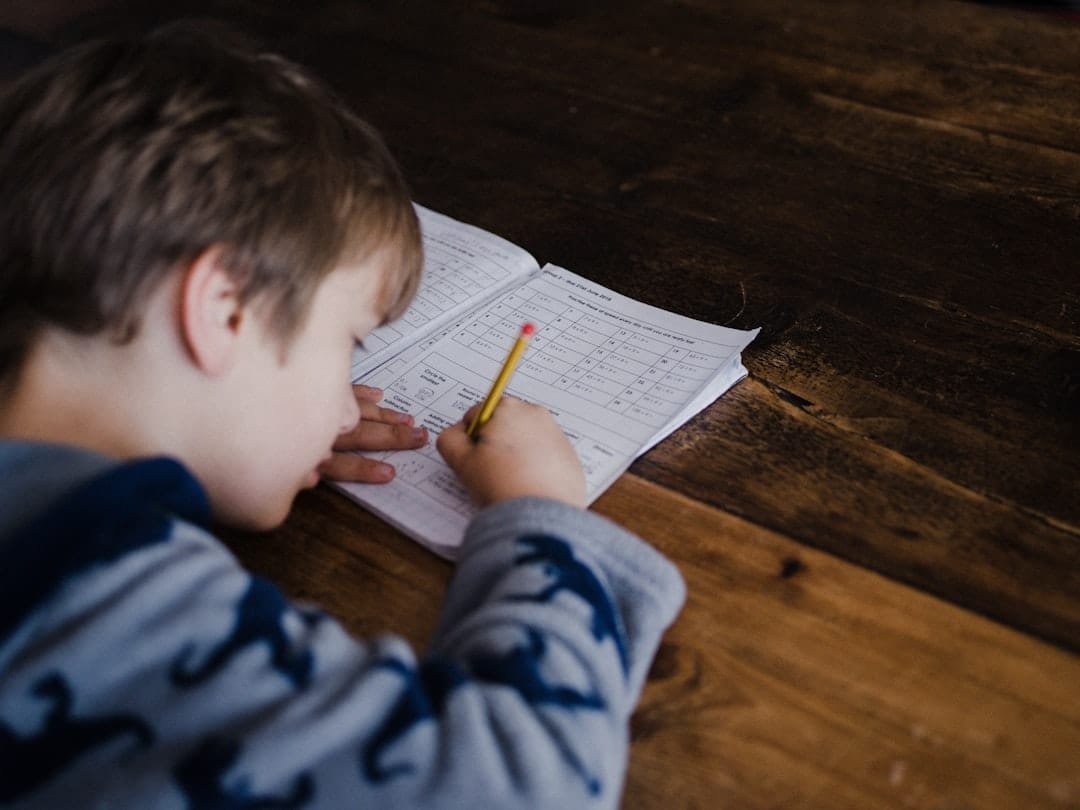
Expert Home Tuition is available for students in Chandigarh, Panchkula, Mohali and Zirakpur. Parents can discuss the student’s class, subjects and learning requirements and decide on a practical tuition arrangement based on those needs.
Students should also keep their school and official board resources central to preparation. For CBSE-related information, the official CBSE website and NCERT resources can be used alongside school guidance. Additional tuition material is most useful when it supports a clear learning objective rather than creating unnecessary volume.
Students should be encouraged to explain what they find difficult. A tutor can only personalise teaching when the learner’s questions and mistakes are visible. Creating a comfortable environment for questions can therefore be as important as selecting additional practice material.
A good learning plan is measurable without becoming complicated. Students can track topics completed, questions attempted, common mistakes and areas that still need explanation. This creates a useful feedback loop for future tuition sessions and helps the learner see progress beyond a single examination score.
Parents should remember that improvement can be gradual. Early signs may include better homework completion, fewer repeated mistakes, more willingness to ask questions and greater confidence in attempting unfamiliar work. These changes can provide useful evidence that the learning routine is becoming more effective.
The purpose of tuition should remain clear throughout the term. If a student initially needs foundational support and later becomes comfortable with the basics, the plan should move towards application, mixed questions and independent work. This keeps the sessions aligned with progress.
Related home tuition resources on ExpertHomeTuition.com cover study routines, progress reviews, parent questions, examination preparation and subject-specific learning. Linking these resources together helps parents and students move from a general understanding of tuition to practical guidance for their particular situation.
Practical checklist: identify the learning goal; match tuition to the student’s class and subjects; use explanation followed by practice; review mistakes; monitor progress; keep the weekly schedule realistic; and gradually increase independent study.
For official academic information, students should continue to follow their school and relevant board guidance. For CBSE resources, parents and students can refer to the official CBSE website and official NCERT website where relevant.
Related reading: what a home tutor does, monthly progress review and questions parents can ask before starting tuition.
Final takeaway: Class 10 students often benefit from structured support that balances concept learning, schoolwork, revision and examination practice. A useful tuition plan remains flexible, practical and focused on measurable learning rather than simply increasing study hours.
Practical Tips for Class 10 revision and exam readiness
One practical way to keep this process focused is to begin each week with a short learning review. The student can identify current school topics, unfinished work and one area that still feels difficult. The tutor can then select questions or explanations that directly address those needs. At the end of the week, the student can note what has improved and what needs another attempt. This creates a simple feedback cycle and prevents tuition from becoming a fixed routine that continues even when the learner’s priorities have changed.
Parents can also review the arrangement after the first few weeks rather than waiting until the end of a term. Useful questions include whether the student understands lessons more clearly, whether homework is becoming more manageable, which topics remain difficult and whether the schedule fits the child’s school workload. This does not mean expecting instant changes in marks. Early progress may appear as better participation, fewer repeated errors, more confidence and greater willingness to attempt unfamiliar questions.
A sustainable academic routine should leave room for independent work. If every task is completed only with tutor support, the student may not develop the ability to plan and check work alone. The tutor can therefore reduce prompts gradually. A student might first solve a question with guidance, then solve a similar question independently and finally explain the method. This progression turns tuition into a learning process that develops skills beyond the scheduled session.
Parents and students can keep a simple record of the most important learning priorities. It might contain difficult chapters, repeated mistakes, upcoming tests and topics that need revision. Bringing this information into tuition can make sessions more targeted. It also helps the student see that improvement is built through repeated practice and correction rather than through one large study session before an examination.
The overall purpose of Expert Home Tuition is to make academic support useful, understandable and connected to the learner’s real situation. Whether the immediate need is homework support, concept clarification, examination preparation or a better study routine, the plan should be reviewed as the student progresses. A flexible approach can help ensure that tuition time is spent on meaningful learning while the student gradually becomes more confident and independent.
For students and parents in Chandigarh, Panchkula, Mohali and Zirakpur, the same principle applies: the tuition plan should reflect the student’s class, subjects, school schedule and current learning priorities. Keeping those details clear helps make the service more relevant and gives the tutor a practical basis for planning future sessions.
