
Quick answer: home tuition for class 11 biology works best when lessons are based on what the student can actually explain, rather than how many pages the student can complete. A suitable tutor checks the basics, teaches the topic in small steps, asks the learner to practise independently, and reviews progress every week. In this guide, parents can see a practical six-week route, examples of activities, a checklist for homework, and questions to discuss before arranging classes in Zirakpur.
For a Class 11 learner, cell structures, functions and biology diagrams can feel straightforward in class but harder while completing homework alone. That difference matters: a student may follow a teacher’s explanation and still be unable to begin the next question independently. A useful home lesson reveals the exact point of confusion, offers feedback while the learner thinks aloud, and returns to the skill after a few days. The aim is lasting understanding, not a promise of instant marks.
How to identify the right learning gaps in cell structures, functions and biology diagrams

Before starting home tuition for class 11 biology, begin with an ordinary piece of schoolwork and one fresh question on the same idea. The first item shows what the learner is accustomed to; the second shows whether knowledge transfers to an unfamiliar example. Ask the student to explain the question, not merely produce a final answer. This distinction is especially useful in Biology, where a confident-sounding response may conceal a missing step. Write down what the student can do without hints, what needs a reminder, and what still requires direct teaching. The record is a starting point, not a judgement about ability.
Diagnostic observation 1: memorises organelle names without functions. To investigate this pattern, the tutor can give one simple item and one slightly changed item, then ask the learner to describe each decision. Instead of immediately correcting the page, ask what the student noticed and why that method seemed reasonable. A learner’s own explanation often identifies whether the difficulty comes from vocabulary, missing foundational knowledge, attention to the question, or a step in the method. Record the exact response in a notebook so the next lesson can revisit the same reasoning without repeating an entire chapter unnecessarily.
Diagnostic observation 2: mixes organelles from different cell types. To investigate this pattern, the tutor can give one simple item and one slightly changed item, then ask the learner to describe each decision. Instead of immediately correcting the page, ask what the student noticed and why that method seemed reasonable. A learner’s own explanation often identifies whether the difficulty comes from vocabulary, missing foundational knowledge, attention to the question, or a step in the method. Record the exact response in a notebook so the next lesson can revisit the same reasoning without repeating an entire chapter unnecessarily.
Diagnostic observation 3: uses arrows in a diagram without clear labels. To investigate this pattern, the tutor can give one simple item and one slightly changed item, then ask the learner to describe each decision. Instead of immediately correcting the page, ask what the student noticed and why that method seemed reasonable. A learner’s own explanation often identifies whether the difficulty comes from vocabulary, missing foundational knowledge, attention to the question, or a step in the method. Record the exact response in a notebook so the next lesson can revisit the same reasoning without repeating an entire chapter unnecessarily.
A practical baseline should include reading the relevant directions, attempting a familiar example, answering a short why-question, and completing a fresh item independently. For cell structures, functions and biology diagrams, use the textbook to select examples of the correct difficulty. Do not turn the first meeting into a high-pressure examination. Allow sufficient thinking time and let students say when they are unsure. The teacher can use three simple labels—independent, with one prompt, and not yet secure—rather than guessing a percentage improvement. Parents then see evidence about specific skills and understand what a realistic first goal looks like.
The best opening conversation is about learning behaviour, not only test scores. Ask which parts of Biology the student enjoys, what happens when homework becomes difficult, and how the school expects answers to be presented. A learner who rushes may need a checking routine, while one who avoids starting may need smaller tasks and encouragement to try an idea. A home tutor should adapt to those observations. Expert Home Tuition families in Zirakpur can use the same questions when discussing their requirements, even before deciding on a class schedule.
A six-week home tuition plan for Class 11 cell structures, functions and biology diagrams

This sample six-week plan is a flexible teaching framework, not a fixed curriculum or a guarantee of results. It works alongside the student’s current school chapters. The tutor should shorten a stage when the learner is ready, or spend longer when the skill remains weak. Each week includes an explanation, supervised practice, a small independent task, and a review of an earlier skill. For Class 11, a consistent process is more useful than adding many new exercises before the learner understands how and why a method works.
Week 1 — identify structures from a diagram. Start with one short question that shows the learner’s current understanding. Explain the key idea using a representation that suits cell structures, functions and biology diagrams: a small example, a diagram, a concrete object, a short reading passage, or a clearly labelled table where appropriate. Then ask the student to do a similar task without copying the steps. Finish with a two-minute explanation in the student’s own words. Keep two samples, one from the beginning and one from the end, so feedback is based on visible work rather than a vague impression that the class went well.
Week 2 — connect organelles with functions. Start with one short question that shows the learner’s current understanding. Explain the key idea using a representation that suits cell structures, functions and biology diagrams: a small example, a diagram, a concrete object, a short reading passage, or a clearly labelled table where appropriate. Then ask the student to do a similar task without copying the steps. Finish with a two-minute explanation in the student’s own words. Keep two samples, one from the beginning and one from the end, so feedback is based on visible work rather than a vague impression that the class went well.
Week 3 — compare plant and animal cell features. Start with one short question that shows the learner’s current understanding. Explain the key idea using a representation that suits cell structures, functions and biology diagrams: a small example, a diagram, a concrete object, a short reading passage, or a clearly labelled table where appropriate. Then ask the student to do a similar task without copying the steps. Finish with a two-minute explanation in the student’s own words. Keep two samples, one from the beginning and one from the end, so feedback is based on visible work rather than a vague impression that the class went well.
Week 4 — explain structure-function relationships. Start with one short question that shows the learner’s current understanding. Explain the key idea using a representation that suits cell structures, functions and biology diagrams: a small example, a diagram, a concrete object, a short reading passage, or a clearly labelled table where appropriate. Then ask the student to do a similar task without copying the steps. Finish with a two-minute explanation in the student’s own words. Keep two samples, one from the beginning and one from the end, so feedback is based on visible work rather than a vague impression that the class went well.
Week 5 — practise accurate labelling. Start with one short question that shows the learner’s current understanding. Explain the key idea using a representation that suits cell structures, functions and biology diagrams: a small example, a diagram, a concrete object, a short reading passage, or a clearly labelled table where appropriate. Then ask the student to do a similar task without copying the steps. Finish with a two-minute explanation in the student’s own words. Keep two samples, one from the beginning and one from the end, so feedback is based on visible work rather than a vague impression that the class went well.
Week 6 — turn textbook text into structured answers. Start with one short question that shows the learner’s current understanding. Explain the key idea using a representation that suits cell structures, functions and biology diagrams: a small example, a diagram, a concrete object, a short reading passage, or a clearly labelled table where appropriate. Then ask the student to do a similar task without copying the steps. Finish with a two-minute explanation in the student’s own words. Keep two samples, one from the beginning and one from the end, so feedback is based on visible work rather than a vague impression that the class went well.
A six-week sequence should not become six disconnected units. At the start of each new week, return to one previous skill and ask the student to use it in a slightly unfamiliar context. For example, a student who can answer a memorised question may struggle when the wording or diagram changes. Regular retrieval practice helps reveal this difference. During revision, first let the learner attempt the item, then compare methods, and finally explain one correction. Parents need not teach the chapter themselves; they can simply protect a quiet place and a predictable time for the short review.
The tutor can maintain a one-page progress record with the week’s target, a sample question, what went well, and what remains uncertain. It should be readable by the student, not just by an adult. At the end of six weeks, compare the same types of tasks from the first lesson with new tasks of similar difficulty. If one target has not improved, change the teaching method or reduce the size of the next step. This is a more responsible way to judge home tuition for class 11 biology than advertising an automatic improvement in marks.
Worked activities, common errors and independent practice
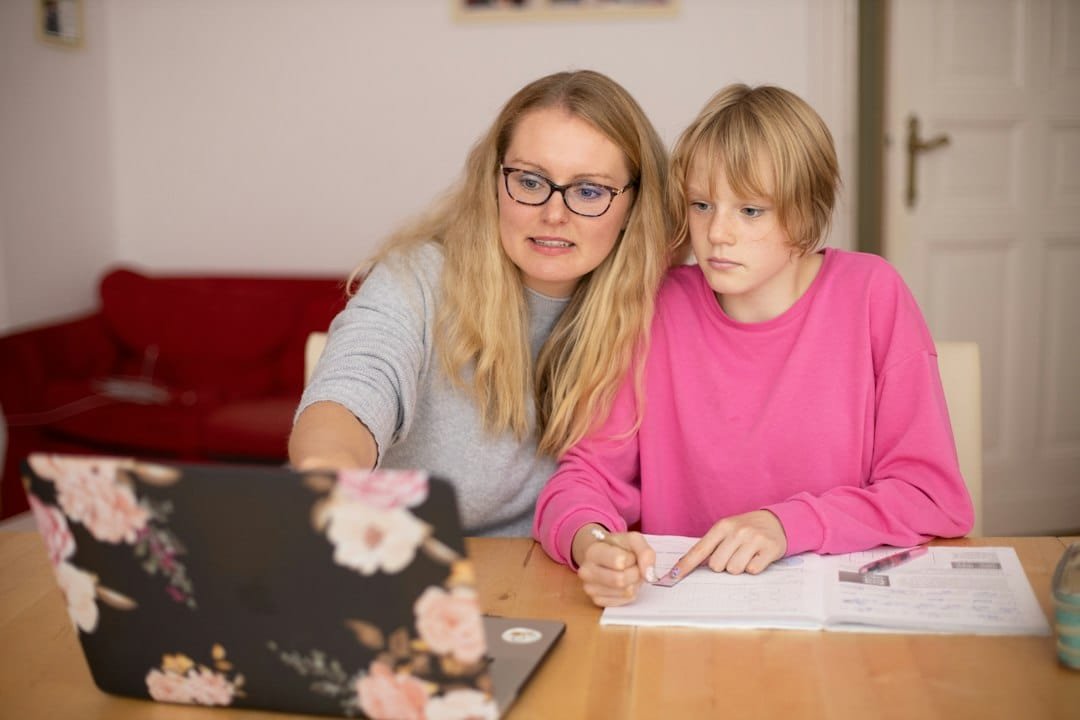
Topic-specific lesson example: For Class 11 Biology, a tutor could start with identify structures from a diagram, review connect organelles with functions, and then use compare plant and animal cell features for a new task. That order links earlier ideas with more demanding work. Let the learner talk through the reasoning and mark where a diagram, formula, comparison or example is needed. Do not assume that an answer written quickly was understood. Ask for one explanation using everyday words, one answer using suitable subject vocabulary, and one short written example that could appear in schoolwork. These three formats offer different evidence of understanding.
Application and checking: Start with ‘Compare the function of mitochondria and ribosomes without calling both energy factories’ and ask the student why this is a valid approach. Then try ‘Label a simplified plant cell and explain what the cell wall does’ without modelling every step. A third task, ‘Organise differences between prokaryotic and eukaryotic cells in a careful comparison table’, gives a chance to apply the same thinking to a changed example. Compare correct and incorrect attempts side by side; where an error such as ‘memorises organelle names without functions’ appears, ask the learner to point to the first mistaken decision. Encourage corrections in a different colour or with a short note so the reason is visible during later revision.
Progress evidence: A progress check can look for three concrete outcomes: the student identifies a structure and its function, the student makes a valid comparison, and the student draws an organised labelled diagram. Teachers should document those observations with dated work rather than claims about guaranteed percentage gains. If one outcome still depends heavily on prompts, the next lesson should revisit explain structure-function relationships using another representation or a smaller problem. Families can review these notes alongside school assignments and ask whether the pace leaves enough time for independent work, rest and other subjects.
A strong tuition lesson uses examples that make the student think, rather than giving a page of identical questions. For cell structures, functions and biology diagrams, the most helpful examples generally include one familiar situation, one changed situation, and one transfer question. Below are illustrative activities to adapt to the school textbook. They are teaching examples, not claims about a particular student. Encourage a learner to say what the question asks, describe a possible method, carry it out, and check whether the result makes sense.
Activity 1: Compare the function of mitochondria and ribosomes without calling both energy factories. Ask the student to explain the words, symbols or observations that matter before attempting the task. The tutor should provide a hint only if needed and then remove it when the student tries a similar item. Compare the first attempt with the second: did the learner change the reasoning, or only copy a corrected answer? For home practice, adapt the numbers, text, setting or diagram while preserving the underlying concept. That small change checks understanding and discourages memorising a single model answer. End with a sentence about how the method might apply in another school question.
Activity 2: Label a simplified plant cell and explain what the cell wall does. Ask the student to explain the words, symbols or observations that matter before attempting the task. The tutor should provide a hint only if needed and then remove it when the student tries a similar item. Compare the first attempt with the second: did the learner change the reasoning, or only copy a corrected answer? For home practice, adapt the numbers, text, setting or diagram while preserving the underlying concept. That small change checks understanding and discourages memorising a single model answer. End with a sentence about how the method might apply in another school question.
Activity 3: Organise differences between prokaryotic and eukaryotic cells in a careful comparison table. Ask the student to explain the words, symbols or observations that matter before attempting the task. The tutor should provide a hint only if needed and then remove it when the student tries a similar item. Compare the first attempt with the second: did the learner change the reasoning, or only copy a corrected answer? For home practice, adapt the numbers, text, setting or diagram while preserving the underlying concept. That small change checks understanding and discourages memorising a single model answer. End with a sentence about how the method might apply in another school question.
Watch for this error: memorises organelle names without functions. A teacher can turn the mistake into a short conversation by asking the student to identify the first point where the reasoning no longer matches the question. Present a counterexample or a clearer representation, but avoid making the student feel embarrassed. Correct the idea, not simply the final line. Afterward, ask for one fresh independent attempt. Keep the original mistaken step in a correction notebook so the learner can see what changed and practise that decision again during the next lesson.
Watch for this error: mixes organelles from different cell types. A teacher can turn the mistake into a short conversation by asking the student to identify the first point where the reasoning no longer matches the question. Present a counterexample or a clearer representation, but avoid making the student feel embarrassed. Correct the idea, not simply the final line. Afterward, ask for one fresh independent attempt. Keep the original mistaken step in a correction notebook so the learner can see what changed and practise that decision again during the next lesson.
Watch for this error: uses arrows in a diagram without clear labels. A teacher can turn the mistake into a short conversation by asking the student to identify the first point where the reasoning no longer matches the question. Present a counterexample or a clearer representation, but avoid making the student feel embarrassed. Correct the idea, not simply the final line. Afterward, ask for one fresh independent attempt. Keep the original mistaken step in a correction notebook so the learner can see what changed and practise that decision again during the next lesson.
Independent practice should be short enough that the learner can begin without needing a parent to teach the whole chapter. A useful set contains one straightforward item, one explanation question, and one transfer item. For Class 11 students, the amount depends on school workload, age and concentration; adding pages for their own sake can reduce useful study time. The tutor should review errors by type and choose the next task accordingly. When a student explains a concept clearly but makes a careless slip, use a check routine; when the explanation is missing, return to the concept with a simpler representation.
Daily lesson structure, progress checks and parent FAQs
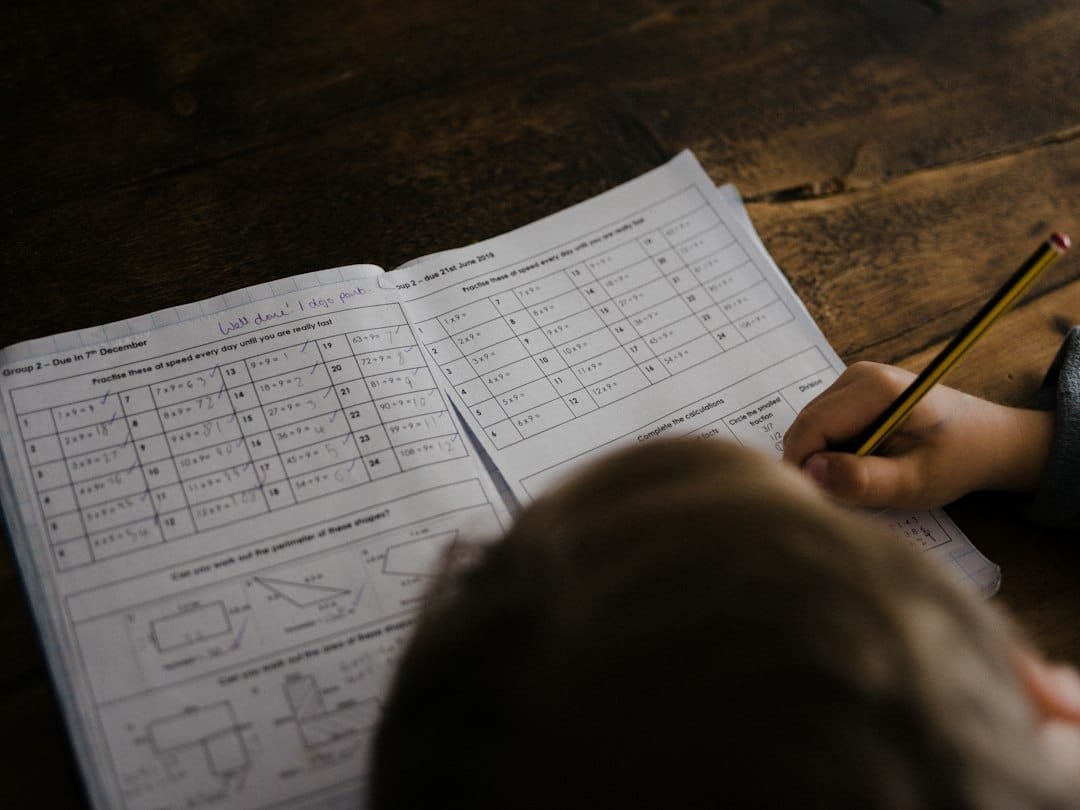
A clear class routine makes home tuition for class 11 biology easier to evaluate because everyone knows what should happen. The exact session length should match the child’s needs and available schedule. The following example uses a 60-minute class only as a planning illustration; shorter sessions may suit some young learners, and more demanding chapters may require different pacing. The goal is to reserve time for thinking and practice rather than filling every minute with the tutor speaking.
First 10 minutes: Ask the student to recall one idea from the previous class, explain an error from homework, and describe today’s goal. Avoid a surprise test that uses most of the lesson. Parents can ask to see the resulting exercise or explanation, but it is better not to interrupt the teaching flow. A short, calm review after class is more valuable than standing beside the student during every problem.
Next 15 minutes: Introduce one manageable part of cell structures, functions and biology diagrams with a clear example. Check the learner’s explanation before moving to harder tasks; use a diagram or concrete model if it clarifies the idea. Parents can ask to see the resulting exercise or explanation, but it is better not to interrupt the teaching flow. A short, calm review after class is more valuable than standing beside the student during every problem.
Next 15 minutes: Let the student attempt two or three items while the tutor observes. Ask what step comes next and why. Offer prompts rather than taking over the pencil or keyboard. Parents can ask to see the resulting exercise or explanation, but it is better not to interrupt the teaching flow. A short, calm review after class is more valuable than standing beside the student during every problem.
Next 10 minutes: Use a changed example that requires the same principle. This is the best place to notice whether the learner can transfer the method beyond a memorised question. Parents can ask to see the resulting exercise or explanation, but it is better not to interrupt the teaching flow. A short, calm review after class is more valuable than standing beside the student during every problem.
Final 10 minutes: Summarise what improved, assign a brief independent task, and ask the student to name one uncertainty. Write a specific note for the next lesson rather than saying only ‘practise more’. Parents can ask to see the resulting exercise or explanation, but it is better not to interrupt the teaching flow. A short, calm review after class is more valuable than standing beside the student during every problem.
For progress reporting, choose observable signs instead of generic praise. First, watch whether the student can identifies a structure and its function. Second, check whether the learner makes a valid comparison. Third, ask for an independent example that shows the student draws an organised labelled diagram. These are small, practical indicators; they do not predict exam marks. Review them at the end of the week using a few tasks at comparable difficulty. If progress is uneven, tell the student which exact part is improving and which one requires another approach.
Parents can support the routine by keeping a small folder of school questions, old test papers, teacher feedback and selected tuition work. At the weekly check-in, ask the learner which part of cell structures, functions and biology diagrams now feels easier and which type of question is still confusing. Listen to the explanation before stepping in. If the school is following a different chapter sequence, the home tutor should coordinate practice with that sequence rather than demanding a completely separate syllabus. Clear communication between parent, tutor and learner prevents duplicated homework and unrealistic study plans.
Is home tuition for class 11 biology useful if school marks are already reasonable? It can be useful when the aim is to strengthen reasoning, reduce dependence on hints, or prepare for a change in difficulty. Decide based on an actual learning need rather than assuming every student requires extra classes.
How many tuition classes should Class 11 students take? There is no universal number. Consider school hours, travel, existing homework, fatigue and the specific gaps identified. Trial a manageable schedule and review whether the learner can still practise independently.
Should home tuition copy the school textbook exactly? The current textbook is a reliable starting point, but understanding may require a simpler model, a different example or a short prerequisite lesson. The teaching sequence should remain aligned with school requirements.
How can parents judge progress without a big test? Compare dated work samples, ask for an explanation of an unfamiliar question, and note which steps now happen without hints. A short weekly check often shows more than a single mark.
What should we share before booking a tutor in Zirakpur? Share the student’s class, board, subject, current chapters, approximate schedule, preferred mode, and one or two examples of difficulty. Confirm tutor availability and terms directly before starting.
To continue learning at home, consult the school’s assigned material and the official NCERT, CBSE Academic and DIKSHA resources where relevant to the student’s board. These are references for checking learning materials, not a substitute for the child’s actual syllabus. You can also read our subjects offered and tuition FAQs before deciding on a schedule.
Enquire about home tuition for class 11 biology: If you are exploring one-to-one support around Zirakpur or nearby service areas, request a demo or enquiry with Expert Home Tuition or use our contact page. Tell us the student’s class, subject, difficult chapters and a suitable class window. Availability, teaching format, fees and session details should be confirmed with the team. An initial conversation is a chance to match the learning plan to a real student, not to promise a fixed result.
