
Quick answer: home tuition for class 9 geography drainage can build deeper understanding when the tutor links a school chapter with guided examples and independent practice. This subject guide covers core drainage systems, river basins and map interpretation skills, worked questions, frequent misconceptions, a six-week teaching plan and practical advice for parents.
A drainage chapter becomes easier when rivers are understood as parts of a system. Students should connect tributaries, catchment basins, the direction of flow and physical features on a map rather than memorising lists of names detached from place. Before arranging tuition, identify a specific learning gap through the student’s current schoolwork. Start with a short explanation, then ask for an unfamiliar example that tests whether knowledge transfers beyond a memorised solution.
Families looking for Geography tuition in Chandigarh should share the class, board, chapters, homework pattern and any school feedback. A useful lesson plan stays aligned with the school syllabus, supports rest and regular attendance, and avoids promising fixed examination outcomes.
What the student needs to understand first

The foundation of drainage systems, river basins and map interpretation is not a memorised worksheet. It is a set of small ideas that connect to each other. A learner may show one skill while still needing support with the next. Before deciding the pace, the tutor should ask the student to explain one familiar task, attempt a new task and compare both attempts. A useful assessment is short, specific and reassuring. The result identifies where to teach next; it should never be used to label a child as weak or incapable.
Core skill 1: define a drainage basin and watershed. A tutor should introduce this idea with a clear textbook example, then invite the learner to explain the key term and its meaning. If the subject uses a diagram, timeline, graph, passage or formula, label it carefully and describe what each part tells us. After a supported example, give a new task that changes one detail and ask whether the original approach still applies. Students learn more from explaining a choice and correcting an error than from copying several finished examples without reflection. Keep notes about which steps were independent.
Core skill 2: distinguish main river from tributary. A tutor should introduce this idea with a clear textbook example, then invite the learner to explain the key term and its meaning. If the subject uses a diagram, timeline, graph, passage or formula, label it carefully and describe what each part tells us. After a supported example, give a new task that changes one detail and ask whether the original approach still applies. Students learn more from explaining a choice and correcting an error than from copying several finished examples without reflection. Keep notes about which steps were independent.
Core skill 3: follow flow direction on an appropriate map. A tutor should introduce this idea with a clear textbook example, then invite the learner to explain the key term and its meaning. If the subject uses a diagram, timeline, graph, passage or formula, label it carefully and describe what each part tells us. After a supported example, give a new task that changes one detail and ask whether the original approach still applies. Students learn more from explaining a choice and correcting an error than from copying several finished examples without reflection. Keep notes about which steps were independent.
Core skill 4: compare broad features of river systems in India. A tutor should introduce this idea with a clear textbook example, then invite the learner to explain the key term and its meaning. If the subject uses a diagram, timeline, graph, passage or formula, label it carefully and describe what each part tells us. After a supported example, give a new task that changes one detail and ask whether the original approach still applies. Students learn more from explaining a choice and correcting an error than from copying several finished examples without reflection. Keep notes about which steps were independent.
Core skill 5: interpret relief and drainage patterns. A tutor should introduce this idea with a clear textbook example, then invite the learner to explain the key term and its meaning. If the subject uses a diagram, timeline, graph, passage or formula, label it carefully and describe what each part tells us. After a supported example, give a new task that changes one detail and ask whether the original approach still applies. Students learn more from explaining a choice and correcting an error than from copying several finished examples without reflection. Keep notes about which steps were independent.
Core skill 6: write short location-based answers using textbook maps. A tutor should introduce this idea with a clear textbook example, then invite the learner to explain the key term and its meaning. If the subject uses a diagram, timeline, graph, passage or formula, label it carefully and describe what each part tells us. After a supported example, give a new task that changes one detail and ask whether the original approach still applies. Students learn more from explaining a choice and correcting an error than from copying several finished examples without reflection. Keep notes about which steps were independent.
A baseline record can use three labels: independent, needs a prompt, and not yet secure. These are easier for a parent to interpret than a claimed percentage gain. For Geography, retain one dated example for each of the major learning targets. After several weeks, compare it with a new example of similar difficulty. Because every child’s starting point and school demands differ, avoid fixed claims about how quickly progress must occur.
Four worked activities parents can actually try

Worked activities help a student see why a method is chosen. They should be short enough to discuss in one lesson and varied enough to test understanding. The following are example activities, not recordings of real pupils. A tutor can change the vocabulary, numbers, pictures or difficulty to match the current textbook. In each activity, an adult first models an idea and then gradually hands responsibility back to the learner.
Worked example 1: What is a tributary? Sketch a smaller stream joining a larger river and label the junction. Explain the direction in which water flows after the streams combine. A tributary is identified by its role in a network, not simply by being short. Discuss the evidence for each claim and ensure the final answer uses correct terms and units where relevant. Next, ask the student to make a small change to the example and explain what must change in the method. If the learner finds the change difficult, revisit the underlying concept with a clearer representation rather than showing a complete answer at once. The important check is whether the learner can handle a similar, unshown question independently.
For this activity, keep the first attempt, including any incomplete reasoning, and compare it with the revised work. Ask which clue, model or statement made the difference. A student who can copy a completed solution but cannot explain it needs a different follow-up from a student who understands the method but makes a minor presentation error. Parents can support the activity by listening to the explanation without correcting every word. The teacher should decide when a further challenge is suitable and when a simpler example is needed.
Worked example 2: How is a watershed different from a river channel? Draw two adjacent drainage basins and label the separating higher ground versus the watercourse itself. The dividing land feature and the flowing water are different physical concepts. Discuss the evidence for each claim and ensure the final answer uses correct terms and units where relevant. Next, ask the student to make a small change to the example and explain what must change in the method. If the learner finds the change difficult, revisit the underlying concept with a clearer representation rather than showing a complete answer at once. The important check is whether the learner can handle a similar, unshown question independently.
For this activity, keep the first attempt, including any incomplete reasoning, and compare it with the revised work. Ask which clue, model or statement made the difference. A student who can copy a completed solution but cannot explain it needs a different follow-up from a student who understands the method but makes a minor presentation error. Parents can support the activity by listening to the explanation without correcting every word. The teacher should decide when a further challenge is suitable and when a simpler example is needed.
Worked example 3: How can a map help locate river-system features? Use an authorised atlas or textbook outline map and trace a river from its source region toward its mouth. Direction must be supported by map evidence, not guessed from the page orientation. Discuss the evidence for each claim and ensure the final answer uses correct terms and units where relevant. Next, ask the student to make a small change to the example and explain what must change in the method. If the learner finds the change difficult, revisit the underlying concept with a clearer representation rather than showing a complete answer at once. The important check is whether the learner can handle a similar, unshown question independently.
For this activity, keep the first attempt, including any incomplete reasoning, and compare it with the revised work. Ask which clue, model or statement made the difference. A student who can copy a completed solution but cannot explain it needs a different follow-up from a student who understands the method but makes a minor presentation error. Parents can support the activity by listening to the explanation without correcting every word. The teacher should decide when a further challenge is suitable and when a simpler example is needed.
Worked example 4: Why should we compare river systems carefully? Discuss broad textbook contrasts such as source regions, seasonal characteristics and basin features without generalising every river in one system. A comparison needs clear criteria and correctly located examples. Discuss the evidence for each claim and ensure the final answer uses correct terms and units where relevant. Next, ask the student to make a small change to the example and explain what must change in the method. If the learner finds the change difficult, revisit the underlying concept with a clearer representation rather than showing a complete answer at once. The important check is whether the learner can handle a similar, unshown question independently.
For this activity, keep the first attempt, including any incomplete reasoning, and compare it with the revised work. Ask which clue, model or statement made the difference. A student who can copy a completed solution but cannot explain it needs a different follow-up from a student who understands the method but makes a minor presentation error. Parents can support the activity by listening to the explanation without correcting every word. The teacher should decide when a further challenge is suitable and when a simpler example is needed.
Common learning mistakes and how a tutor can address them
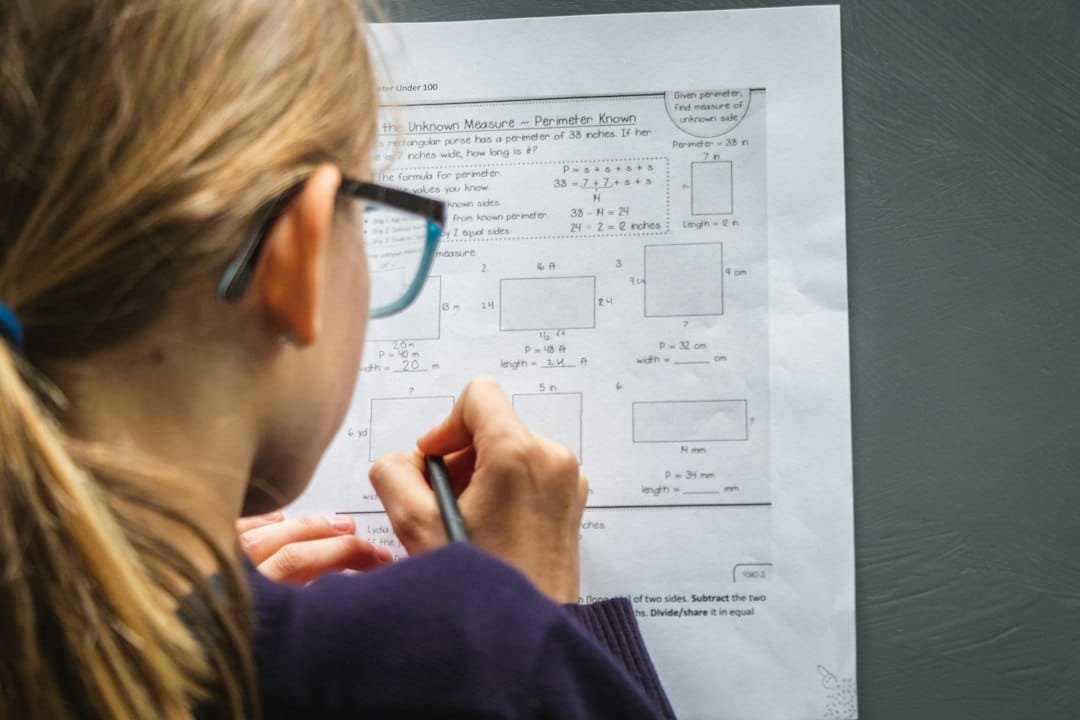
An error is useful evidence about a learner’s thinking. Treating every incorrect answer as carelessness hides important patterns. In drainage systems, river basins and map interpretation, a small misunderstanding can reappear in multiple exercises. A tutor should look for the earliest questionable decision, ask the student what they intended and then offer a concrete comparison. This approach separates missing knowledge from reading difficulties, rushed work or unclear instructions.
Frequent mistake 1: calls any smaller stream a tributary without showing a connection. Ask the student to locate the first uncertain decision in a worked answer and explain why it seems tempting. Compare a correct example with a counterexample, using the syllabus vocabulary only after the concept is clear. Write a short correction note and invite an independent retry on a fresh question. During the next week, use another version of the same skill to check that the improved reasoning lasts. A tutor should communicate the exact error and next step to the parent without making vague claims about ability.
To see whether the correction will last, revisit this pattern after a few days in an exercise that looks different from the original. If the problem returns, check whether the previous explanation was too abstract or expected a prerequisite that the learner has not mastered. A new drawing, physical model, shorter passage or real-life example can help. A tutor should also explain the observation to parents in simple terms: what the student can now do without help and what the next lesson will examine.
Frequent mistake 2: confuses watershed boundaries with river channels. Ask the student to locate the first uncertain decision in a worked answer and explain why it seems tempting. Compare a correct example with a counterexample, using the syllabus vocabulary only after the concept is clear. Write a short correction note and invite an independent retry on a fresh question. During the next week, use another version of the same skill to check that the improved reasoning lasts. A tutor should communicate the exact error and next step to the parent without making vague claims about ability.
To see whether the correction will last, revisit this pattern after a few days in an exercise that looks different from the original. If the problem returns, check whether the previous explanation was too abstract or expected a prerequisite that the learner has not mastered. A new drawing, physical model, shorter passage or real-life example can help. A tutor should also explain the observation to parents in simple terms: what the student can now do without help and what the next lesson will examine.
Frequent mistake 3: assumes north is always upstream. Ask the student to locate the first uncertain decision in a worked answer and explain why it seems tempting. Compare a correct example with a counterexample, using the syllabus vocabulary only after the concept is clear. Write a short correction note and invite an independent retry on a fresh question. During the next week, use another version of the same skill to check that the improved reasoning lasts. A tutor should communicate the exact error and next step to the parent without making vague claims about ability.
To see whether the correction will last, revisit this pattern after a few days in an exercise that looks different from the original. If the problem returns, check whether the previous explanation was too abstract or expected a prerequisite that the learner has not mastered. A new drawing, physical model, shorter passage or real-life example can help. A tutor should also explain the observation to parents in simple terms: what the student can now do without help and what the next lesson will examine.
Frequent mistake 4: memorises river names without identifying their routes. Ask the student to locate the first uncertain decision in a worked answer and explain why it seems tempting. Compare a correct example with a counterexample, using the syllabus vocabulary only after the concept is clear. Write a short correction note and invite an independent retry on a fresh question. During the next week, use another version of the same skill to check that the improved reasoning lasts. A tutor should communicate the exact error and next step to the parent without making vague claims about ability.
To see whether the correction will last, revisit this pattern after a few days in an exercise that looks different from the original. If the problem returns, check whether the previous explanation was too abstract or expected a prerequisite that the learner has not mastered. A new drawing, physical model, shorter passage or real-life example can help. A tutor should also explain the observation to parents in simple terms: what the student can now do without help and what the next lesson will examine.
A six-week Class 9 home tuition lesson plan
This sequence is a planning example that can be shortened or extended. It should follow the current school chapter order where possible and must not replace the teacher’s prescribed lessons. A weekly meeting is not complete simply because a new topic was covered: time for retrieval, fresh application and clear feedback belongs in every stage. A child may need longer on a particular idea without that being a setback.
Week 1 — drainage-basin vocabulary. Open by retrieving one earlier concept, then teach a new step with a clear example and a brief explanation of why it works. Ask the learner to attempt a comparable question with fewer prompts, followed by a changed example that checks transfer. Complete the session with a short note: what is now secure, what is uncertain, and which question should begin the next class. The tutor may repeat or combine weeks as the learner’s pace, textbook and school schedule require. A simple dated work sample makes progress easier to discuss.
Between lessons, use a short retrieval task tied to this week’s skill and one question that revisits an earlier skill. A parent can make space for the task but should avoid completing the work. When a learner becomes tired or repeatedly confused, reduce the quantity and ask the tutor to adjust the next session. For Class 9, appropriate practice depends on the child’s routine, maturity and school homework, not a rigid daily page count.
Week 2 — tributaries and flow direction. Open by retrieving one earlier concept, then teach a new step with a clear example and a brief explanation of why it works. Ask the learner to attempt a comparable question with fewer prompts, followed by a changed example that checks transfer. Complete the session with a short note: what is now secure, what is uncertain, and which question should begin the next class. The tutor may repeat or combine weeks as the learner’s pace, textbook and school schedule require. A simple dated work sample makes progress easier to discuss.
Between lessons, use a short retrieval task tied to this week’s skill and one question that revisits an earlier skill. A parent can make space for the task but should avoid completing the work. When a learner becomes tired or repeatedly confused, reduce the quantity and ask the tutor to adjust the next session. For Class 9, appropriate practice depends on the child’s routine, maturity and school homework, not a rigid daily page count.
Week 3 — watershed and relief diagrams. Open by retrieving one earlier concept, then teach a new step with a clear example and a brief explanation of why it works. Ask the learner to attempt a comparable question with fewer prompts, followed by a changed example that checks transfer. Complete the session with a short note: what is now secure, what is uncertain, and which question should begin the next class. The tutor may repeat or combine weeks as the learner’s pace, textbook and school schedule require. A simple dated work sample makes progress easier to discuss.
Between lessons, use a short retrieval task tied to this week’s skill and one question that revisits an earlier skill. A parent can make space for the task but should avoid completing the work. When a learner becomes tired or repeatedly confused, reduce the quantity and ask the tutor to adjust the next session. For Class 9, appropriate practice depends on the child’s routine, maturity and school homework, not a rigid daily page count.
Week 4 — major river-system map work. Open by retrieving one earlier concept, then teach a new step with a clear example and a brief explanation of why it works. Ask the learner to attempt a comparable question with fewer prompts, followed by a changed example that checks transfer. Complete the session with a short note: what is now secure, what is uncertain, and which question should begin the next class. The tutor may repeat or combine weeks as the learner’s pace, textbook and school schedule require. A simple dated work sample makes progress easier to discuss.
Between lessons, use a short retrieval task tied to this week’s skill and one question that revisits an earlier skill. A parent can make space for the task but should avoid completing the work. When a learner becomes tired or repeatedly confused, reduce the quantity and ask the tutor to adjust the next session. For Class 9, appropriate practice depends on the child’s routine, maturity and school homework, not a rigid daily page count.
Week 5 — comparative features of rivers. Open by retrieving one earlier concept, then teach a new step with a clear example and a brief explanation of why it works. Ask the learner to attempt a comparable question with fewer prompts, followed by a changed example that checks transfer. Complete the session with a short note: what is now secure, what is uncertain, and which question should begin the next class. The tutor may repeat or combine weeks as the learner’s pace, textbook and school schedule require. A simple dated work sample makes progress easier to discuss.
Between lessons, use a short retrieval task tied to this week’s skill and one question that revisits an earlier skill. A parent can make space for the task but should avoid completing the work. When a learner becomes tired or repeatedly confused, reduce the quantity and ask the tutor to adjust the next session. For Class 9, appropriate practice depends on the child’s routine, maturity and school homework, not a rigid daily page count.
Week 6 — source-based geography questions. Open by retrieving one earlier concept, then teach a new step with a clear example and a brief explanation of why it works. Ask the learner to attempt a comparable question with fewer prompts, followed by a changed example that checks transfer. Complete the session with a short note: what is now secure, what is uncertain, and which question should begin the next class. The tutor may repeat or combine weeks as the learner’s pace, textbook and school schedule require. A simple dated work sample makes progress easier to discuss.
Between lessons, use a short retrieval task tied to this week’s skill and one question that revisits an earlier skill. A parent can make space for the task but should avoid completing the work. When a learner becomes tired or repeatedly confused, reduce the quantity and ask the tutor to adjust the next session. For Class 9, appropriate practice depends on the child’s routine, maturity and school homework, not a rigid daily page count.
At the end of week six, compare independent work with the initial baseline. Ask for an explanation of a fresh example, not just a repeat of the original exercise. Look for more accurate use of the relevant vocabulary, better selection of methods and more confident self-checking. If the student still needs repeated prompts for a particular step, return to that step with a different representation. Honest feedback is more useful than promises of a fixed exam result.
Home practice, parent questions and choosing local tuition
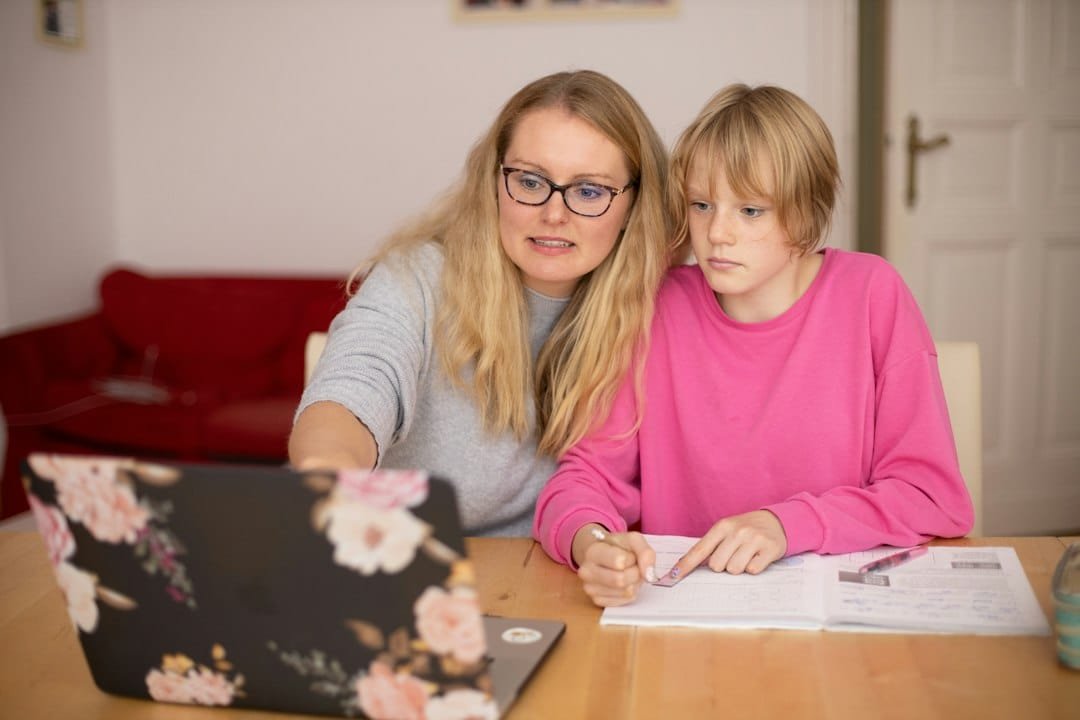
At-home study: Use an NCERT map and draw simple drainage networks on paper; avoid inventing local river names or figures. Make the activity manageable alongside schoolwork; the parent can listen to an explanation without solving the question. Bring persistent confusion back to the tutor rather than extending the task into an exhausting drill.
FAQ 1: Who benefits from home tuition for class 9 geography drainage? Students with a clear gap or a wish to practise independently may benefit, but not every learner needs additional classes. Decide using present schoolwork and available study time. Follow up with one example from the student’s school notebook and discuss the next useful learning step. Avoid assumptions about a guaranteed score or a uniform timetable for every child.
FAQ 2: How should the first class begin? Review a recent exercise, ask the learner to explain a familiar example and introduce one new question. This helps reveal whether the difficulty comes from missing concepts, presentation or interpreting instructions. Follow up with one example from the student’s school notebook and discuss the next useful learning step. Avoid assumptions about a guaranteed score or a uniform timetable for every child.
FAQ 3: How can progress in drainage systems, river basins and map interpretation be measured? Compare dated work samples and see whether the student can explain a changed example without repeated hints. Subject-specific reasoning is more informative than simply counting completed worksheets. Follow up with one example from the student’s school notebook and discuss the next useful learning step. Avoid assumptions about a guaranteed score or a uniform timetable for every child.
FAQ 4: Should home tuition follow the board syllabus? Yes. The tutor should follow the school’s current material and revisit earlier prerequisites where useful. Confirm textbooks and assessment requirements before starting. Follow up with one example from the student’s school notebook and discuss the next useful learning step. Avoid assumptions about a guaranteed score or a uniform timetable for every child.
FAQ 5: How do parents enquire about tuition in Chandigarh? Share the student’s grade, board, subject, difficult chapters, preferred timings and a sample question. Confirm fees, tutor availability and the teaching arrangement directly. Follow up with one example from the student’s school notebook and discuss the next useful learning step. Avoid assumptions about a guaranteed score or a uniform timetable for every child.
For syllabus references, consult the official NCERT textbook resources and DIKSHA learning platform. When relevant, check CBSE Academic materials as well. These are reference portals; the exact board and textbook should be checked before planning lessons. You can also explore Expert Home Tuition’s subjects offered, FAQs and contact page.
Enquire with Expert Home Tuition: If your family is exploring home tuition for class 9 geography drainage in Chandigarh or another nearby locality, use the demo enquiry form to share the student’s learning need. Ask about a suitable tutor, lesson approach and realistic progress checks before committing to a timetable. Availability and service details must be confirmed with the team; this article is educational guidance rather than a guaranteed service offer or outcome.
